From understanding to transformation
Two degrees. Four years. One integrated pathway.
Combine an interdisciplinary undergraduate education with advanced graduate study in sustainability and transformation. Through Franklin Switzerland’s 3+1 accelerated pathway, you can earn a Bachelor of Arts in Social Justice and Sustainability in three years, followed by a Master of Arts in Sustainability and Transformation (MAST) in one additional year.
Build a strong understanding of the environmental, social, and political challenges shaping our world; then develop the knowledge and practical skills to help address them.
Interested in learning more?
Talk to a counselor or start your application.
B.A. in Social Justice and Sustainability
M. A. in Sustainability and Transformation
for a deep understanding in sustainability
ONE PATHWAY. FOUR YEARS OF PROGRESS.
The 3+1 pathway connects undergraduate and graduate study into a four-year academic journey. Each stage builds on the previous one, taking you from understanding complex sustainability challenges to developing practical approaches to meaningful change.
| YEARS 1 - 3 B.A. in Social Justice and Sustainability |
YEAR 4 M.A. in Sustainability and Transformation |
|
Complete the undergraduate curriculum, including the requirements of the SJS major and the other components of the BA degree. Explore sustainability through different academic perspectives, including Environmental Humanities, Environmental Studies, and Politics. Learn to examine the relationships between environmental systems, societies, institutions, and people. Throughout your undergraduate studies, you will develop the critical thinking, research, communication, and analytical skills needed to understand complex global challenges. |
Complete the 12-month MAST programme, comprising 45 credits (90 ECTS). Build on your undergraduate foundation through advanced study and practical engagement. The MAST focuses on applying sustainability knowledge to real-world challenges, developing solutions, and working across disciplines and sectors. Through practice-based learning, collaboration with external partners, and applied experiences, you will learn how to contribute to sustainability initiatives and transformation. |
CREDITS STRUCTURE
The pathway combines the credits required for the BA in Sustainability and Social Justice with the credits required for the MAST.
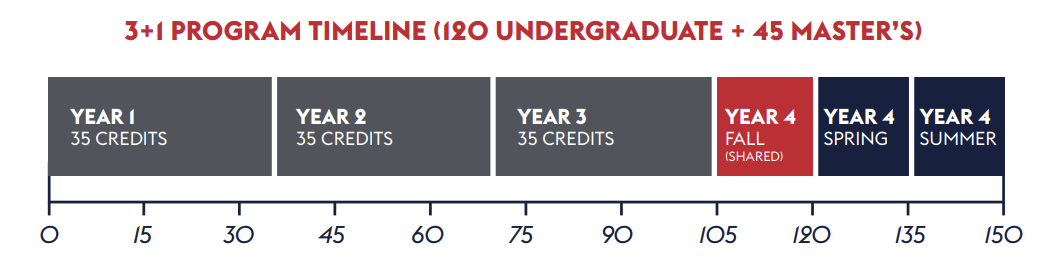
Students must declare Social Justice and Sustainability (SJS) as their major from the beginning of their Bachelor’s studies and complete the required 35 credits per academic year. At the end of Year 3, students must submit a separate application to the MAST. Progression is not automatic, and admission is subject to the MAST selection process.
BUILD YOUR FOUNDATION
Years 1–3
The Bachelor of Arts in Social Justice and Sustainability provides an interdisciplinary foundation for understanding the connections between environmental, social, political, and cultural systems.
You will develop:
- Systems Thinking: See relationships between environmental, social, political, and economic issues.
- Research and Analysis: Investigate complex questions and evaluate evidence from different perspectives.
- Critical Thinking: Question assumptions, consider competing viewpoints, and develop informed positions.
- Communication: Translate complex ideas into clear and meaningful messages for different audiences.
- Problem Solving: Move from identifying challenges to exploring possible responses and solutions.
You can also choose to explore one of these three academic perspectives:
Examine how culture, history, ethics, and human relationships with the environment shape our understanding of sustainability.
Explore ecological systems and environmental challenges, developing the tools to investigate them.
Understand the institutions, policies, power structures, and decision-making processes that influence environmental and social change.
Along the way, you will develop transferable skills in research, systems thinking, critical analysis, communication, and problem-solving.
Click the link below to learn more about the Bachelor component and explore the course list.
B.A. in Social Justice and Sustainability
TAKE YOUR KNOWLEDGE FURTHER
Year 4
The Master of Arts in Sustainability and Transformation (MAST) takes your understanding of sustainability into a practical and professional context.
Over 12 months, you will develop advanced knowledge and skills through:
- Advanced academic study: Explore sustainability, transformation, and the systems behind complex challenges.
- Professional and applied skills: Strengthen your ability to communicate, collaborate, innovate, and work across disciplines.
- External engagement: Connect your learning with real-world challenges and organizations.
- Practice-based work: Apply your knowledge through research and an applied experience.
The applied component of the program allows you to connect your interests with professional or entrepreneurial practice through opportunities such as:
- Research
- Internship
- Partner Project
- Start-up or Social Enterprise
Depending on your academic and professional interests, applied work may include a research project, collaboration with an external partner, an internship, or the development of a start-up or social enterprise.
Click the link below to learn more about the Master component and explore the course list.
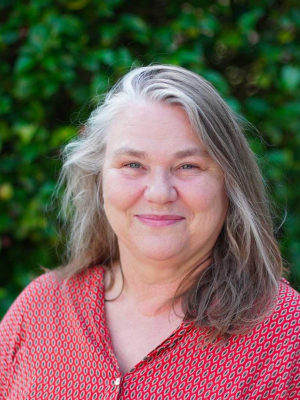
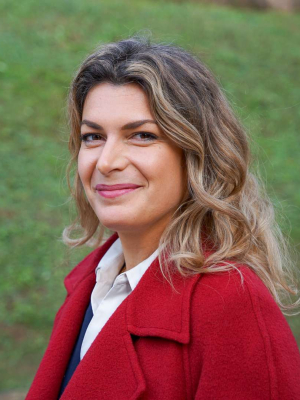
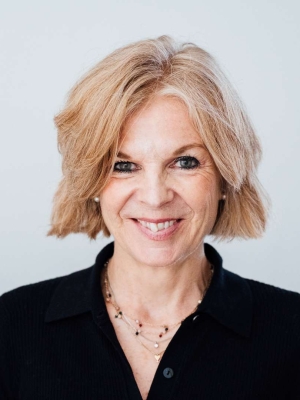
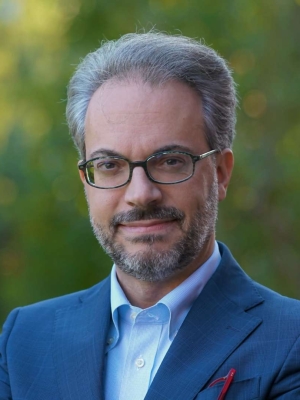
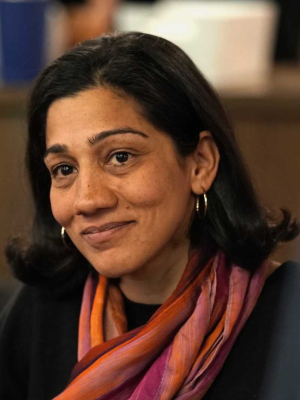
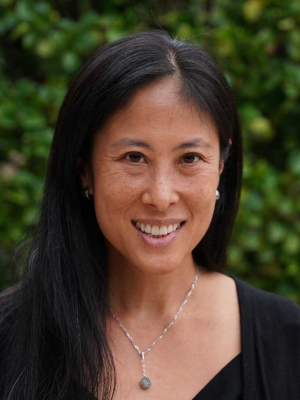
TEACHING FACULTY



WHERE UNDERSTANDING BECOMES ACTION
The 3+1 pathway brings together the strengths of Franklin's interdisciplinary undergraduate education and its applied graduate programme.
Study in an international academic community, connect different perspectives, and explore sustainability beyond the classroom through experiential learning, collaboration, and opportunities to engage with the world around you.
Whether your interests lie in environmental policy, corporate sustainability, social impact, research, or sustainable development, the pathway gives you a foundation to explore the challenges and opportunities shaping the future.
Ready to take the next step?
Book a meeting with a counselor or start your application now.
To follow the 3+1 pathway, students must first apply to a regular undergraduate program at Franklin Switzerland, declare Social Justice and Sustainability (SJS) as their major from the beginning of their Bachelor’s studies, and complete the required 35 credits per academic year. At the end of Year 3, students must submit a separate application to the MAST. Progression is not automatic, and admission is subject to the MAST selection process.